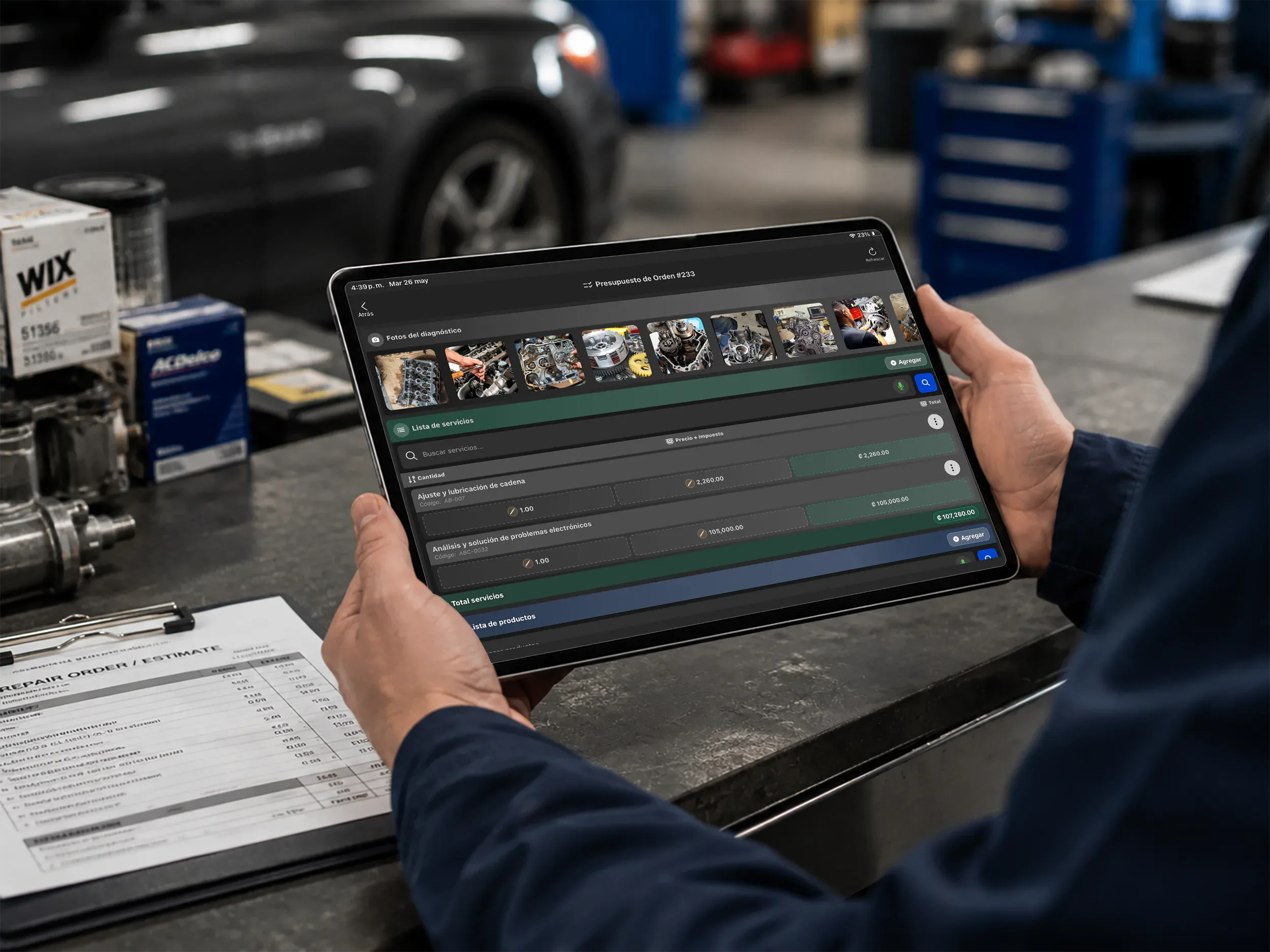
An auto repair estimate presents clearly what you propose to repair, which parts or materials are involved, and what it will cost — before the customer authorizes the work. It is not just a final number: it is the document that aligns expectations, cuts down on disputes, and puts the scope of the proposal in writing.
This guide covers what goes on an estimate and how to keep it connected to the rest of the job. Any figures shown are illustrative and do not represent prices, taxes or requirements for a specific state.
What an auto repair estimate is
An estimate is a priced proposal that comes before the work. It can cover a repair, maintenance, diagnosis, parts, materials, or a combination. Its job is to let the customer understand what is being proposed and decide with enough information.
In a shop, a good estimate answers some basic questions:
- who is this proposal for?
- which vehicle or job does it apply to?
- what services, parts or materials are included?
- how many units, and at what price?
- are there discounts, taxes or other charges?
- what is the total, and how long is the proposal valid?
- what conditions need to be confirmed before starting?
A clear estimate does not replace the technical diagnosis or a conversation with the customer. It organizes both so the next step is easier to authorize and execute.
What to include on the estimate
Format varies by shop, but a useful proposal usually carries these fields.
| Element | What it should make clear |
|---|---|
| Document identification | Number, issue date and, where it applies, an expiration date. |
| Customer | Name and whatever details your business needs to identify who the proposal is for. |
| Vehicle | Plate, VIN, make, model, year or mileage when the work depends on a specific unit. |
| Line detail | Services, parts or materials described in language the customer can follow. |
| Quantities and prices | Units, unit price, discounts and line total. |
| Financial summary | Subtotal, taxes or charges where applicable, and final total. |
| Validity and conditions | How long it holds, the scope of the proposal, and anything relevant before approval. |
| Authorization | How the shop will confirm the customer accepted the work. |
Be specific without over-diagnosing. If there is still technical uncertainty, say what the diagnosis covers and which items may need a separate estimate after the vehicle is inspected.
Estimate, repair order and invoice: three different documents
These get used loosely in conversation, but in a shop they mark three distinct moments.
| Document | When it is used | What to review |
|---|---|---|
| Estimate | Before authorization, to present the proposed work and price. | Line detail, quantities, prices, applicable taxes, total and validity. |
| Repair order | While the work is performed, to track execution. | Confirmed diagnosis, assigned technician, parts used, evidence, status and close-out. |
| Invoice | After the work, to bill what was actually completed. | That it matches the authorized scope, including any approved additions. |
The customer does not need to learn your document vocabulary. What matters is that they know what is being proposed, what is included, how long the price holds, and what has to happen before work starts.
Authorization: the part that protects both sides
In most US states, some form of written estimate and customer authorization is expected before repairs begin, and further authorization is expected before the final bill exceeds the estimate. Thresholds, formats and record-keeping rules vary — California, New York and other states each have their own — so confirm what applies where you operate.
Whatever your state requires, the operational habit is the same and it is worth building regardless:
- Get approval in a form you can retrieve later, not a verbal “go ahead” nobody wrote down.
- Record who approved, when, and what scope they approved.
- When diagnosis reveals more work, issue a supplemental estimate and get separate approval before proceeding.
- Keep the authorized scope attached to the job so the invoice can be checked against it.
This is the single most common source of disputes at pickup, and it is almost entirely preventable at the estimate stage.
How to write a repair estimate step by step
1. Start from the diagnosis and the confirmed scope
Note what was inspected, what work you propose, and what is still pending confirmation. Do not list additional repairs as though they were already approved. If the diagnosis could change once a component comes apart, say so before presenting a final number.
2. Tie the proposal to the customer and the vehicle
Associate the estimate with the customer and, where it applies, with the plate, VIN, make, model or mileage. That prevents mixing up proposals when the shop handles several vehicles for the same customer or similar jobs on the same day.
3. Break out labor, parts and materials
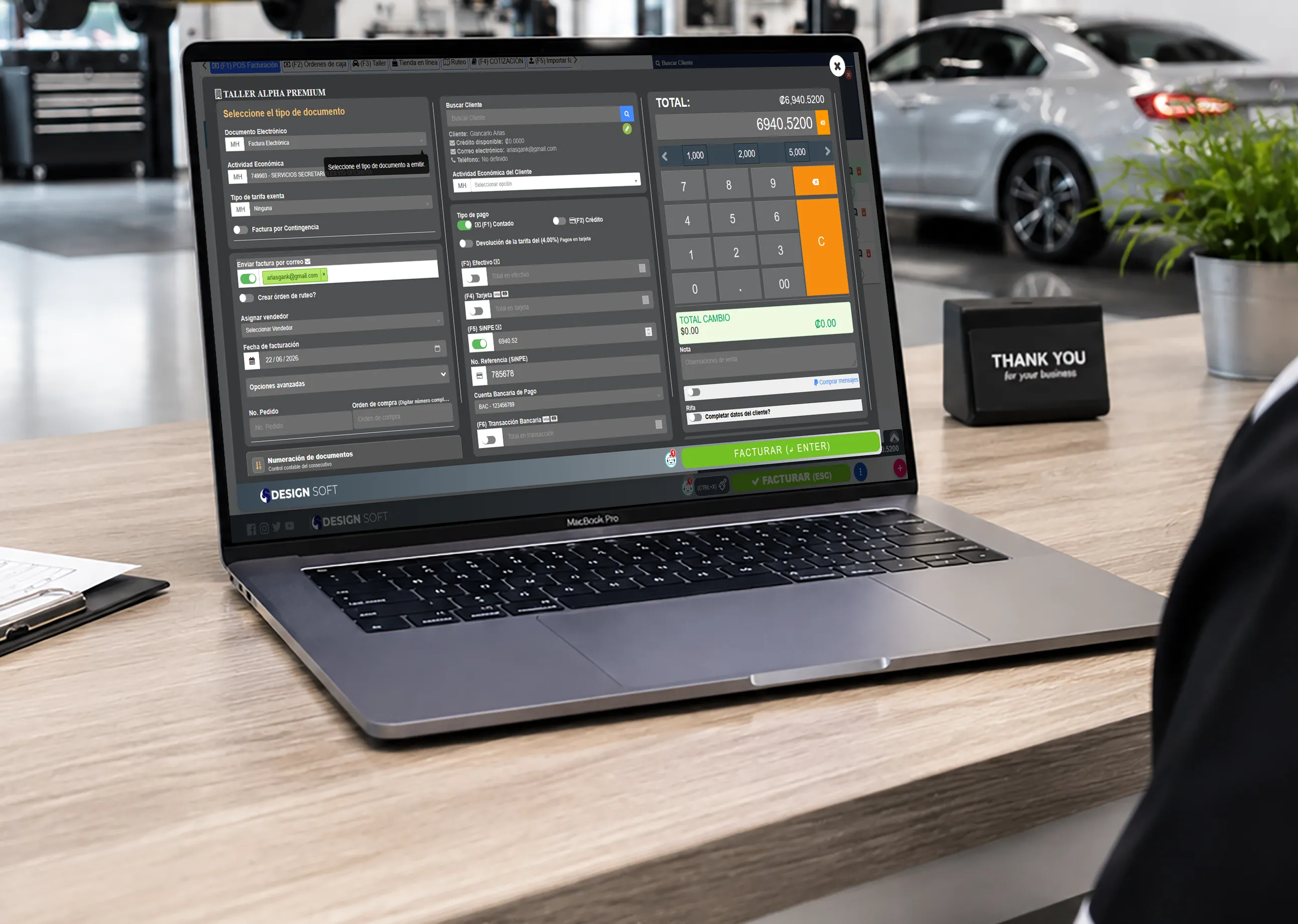
Separate labor, parts and materials so each line can be reviewed. The goal is not to bury the customer in internal part numbers — it is that they understand what is being quoted and your team can track the detail.
4. Check quantities, discounts and applicable taxes
Confirm quantities match what you planned and that any discount is visible. Taxes, charges and filing requirements depend on your state and your operation; do not assume the same rule applies everywhere.
5. Set validity and conditions before sending it
State how long the proposal holds and which conditions could require an update. This matters most when parts availability is tight, prices are moving, or the diagnosis depends on further inspection.
6. Record the approval and move into the workflow
When the customer approves, keep the reference to what was authorized and carry on with execution. That starts a different stage: the repair order tracks the confirmed diagnosis, assigned technician, parts used, evidence, status and close-out of the service.
Common mistakes on estimates
- sending only a total with no description of what it covers;
- quoting a part with no quantity or clear reference;
- omitting validity when the price can move;
- mixing confirmed work with recommendations that are still pending;
- using details from a different vehicle than the one in the bay;
- hiding discounts, charges or applicable taxes until the end;
- starting additional work without confirming scope with the customer;
- treating the initial estimate as the record of what was actually performed.
Estimates and your labor rate
An estimate is only as good as the numbers behind it. If your labor line is guesswork, a tidy document just makes the guess look official. See how to calculate your shop’s labor rate for the cost, billable-hours and margin side of the same problem.
Keeping the estimate connected to the job
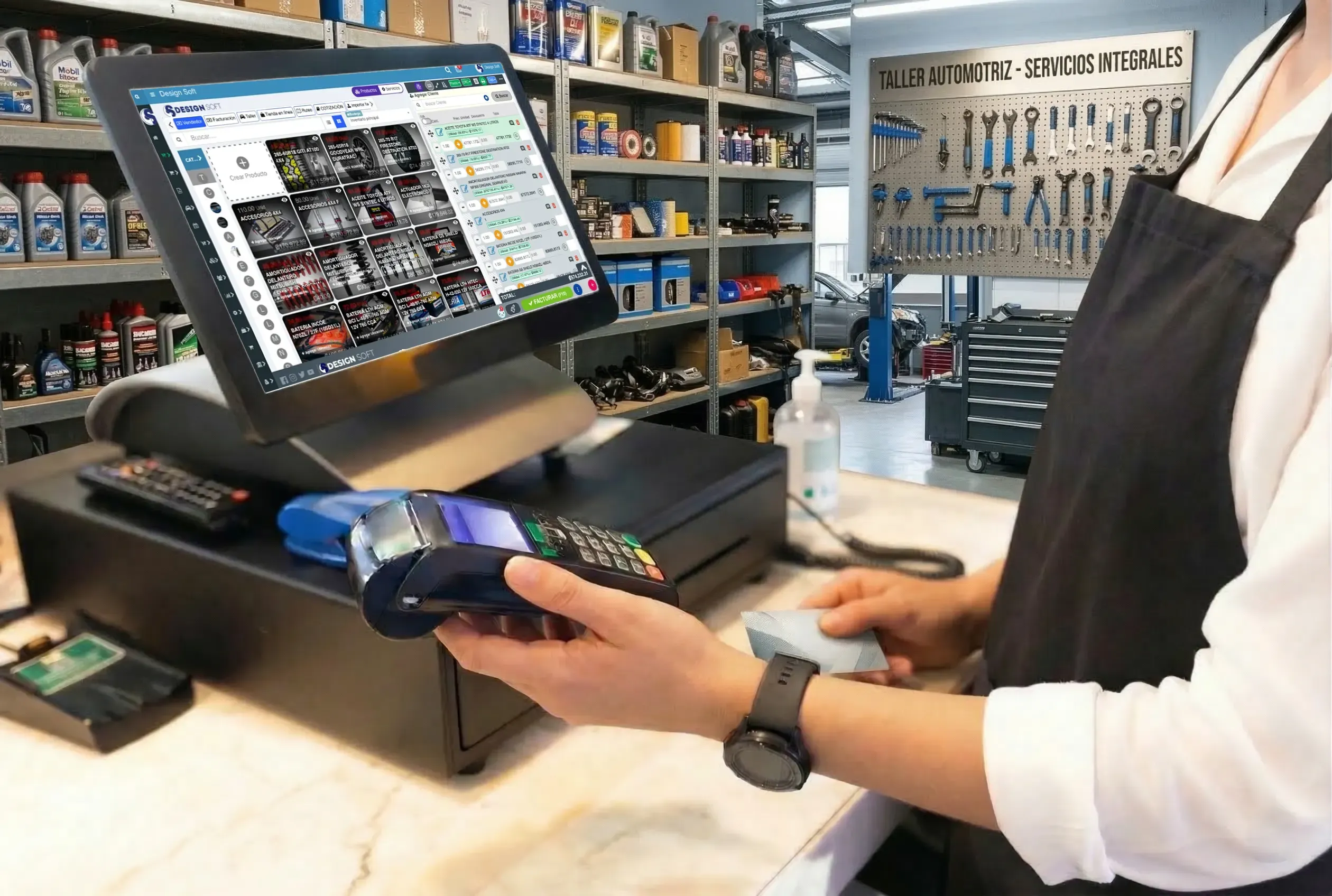
Taller Alpha demonstrates a workflow where commercial and operational information stay connected: customers, vehicles, estimates, repair orders, parts, assigned technicians and follow-up. That keeps an approved proposal from having to be retyped into separate documents to continue the work.
If you want to see how an estimate can move into the shop workflow without losing context, take a look at auto repair shop software. Evaluate it against your real process and the documents you actually need to hand each customer.
Frequently asked questions about repair estimates
What information belongs on an auto repair estimate?
It should identify the proposal, the customer and the vehicle. It should also describe services, parts or materials, quantities, prices, discounts, applicable taxes or charges, subtotal, total, validity and conditions.
How do you build an estimate format?
Start with a structure that separates the document header, customer and vehicle details, the line detail of services or items, and the financial summary. Then decide how you will communicate validity, conditions and authorization.
Should an estimate have an expiration date?
It can, and it usually should when parts prices or availability are moving. Set a validity window that matches your operation, your supplier terms and your commercial policy.
Should the estimate list parts and labor separately?
Yes. Separating them helps the customer understand the proposal. The level of detail should be enough to explain the scope without creating confusion.
What happens after the customer accepts the estimate?
The authorized work moves into the shop’s operational process. A repair order records execution: assigned technician, status, parts used, evidence and close-out of the repair.
If you want to see how Taller Alpha connects estimates, repair orders and invoicing in one flow, you can request a demo.